


Article: 13 october 2026 13:56: Digital Therapies,Partnership
Una telehealth cuts outpatient visits by 82% at Akureyri Hospital, Iceland
A new study conducted at the endocrinology outpatient clinic at Akureyri Hospital in Iceland explores the potential of bringing follow-up care closer to patients through digital health technology.
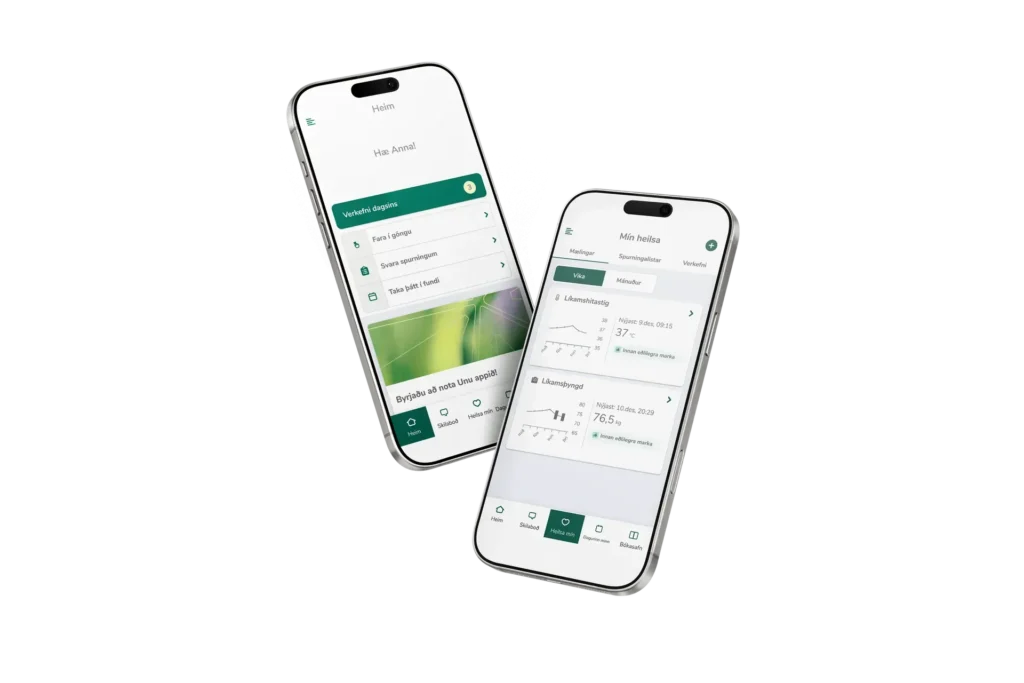
The study was carried out by María Bragadóttir, a master’s student in Digital Health at Reykjavík University, using Una, a telehealth solution built on the Cuviva platform and provided by Icepharma Velferð, Cuviva’s local partner and distributor in Iceland.
Over a five-month period, patients with type 2 diabetes used Una to access educational resources, monitor their health measurements, and communicate with their healthcare team, complementing traditional outpatient care.
The results: Outpatient visits dropped by 82% (from 11 to 2 on average) and calls to nurses fell by 76% (from 46 to 11) without patients feeling more distant from care. On the contrary, 79% of participants (11 of 14) felt their access to nurses had improved, and 87% (13 of 15) said they felt more secure knowing their measurements were being monitored and that help would come when needed. 80% of participants (12 of 15) said Una had increased their independence in managing their own care, and an equal share felt they understood their diabetes better.
“People needed fewer phone calls and fewer trips to the hospital, but still experienced better access and safer service. It shows that we shouldn’t just measure good healthcare in terms of visits or calls, but in whether people get the right service at the right time,” says Helga Dagný Sigurjónsdóttir, Managing Director of Icepharma Welfare.
Nurses reported fewer unplanned calls, more structured communication, and real-time data that helped them prioritize the patients who needed the most attention.
A key success factor was that the nurses themselves helped shape how Una was used. Measurement benchmarks, workflows, education and responses to deviations were all developed together with the clinical team, not imposed on top of existing routines.
“The opportunities lie in looking holistically at how we can use telehealth across the healthcare system to increase access and safety. Make better use of professional time in surgical preparation and follow-up, in rehabilitation, in chronic disease management and in helping people live longer safely at home,” says Helga Dagný.
Source: Icepharma Welfare, based on a study by María Bragadóttir, master’s student in digital health technology at Reykjavík University. Read more about the study at icepharma.is/velferd.